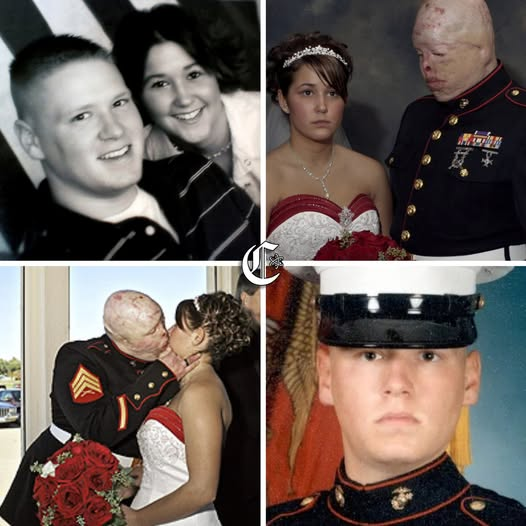
When Tyler Ziegel returned from Iraq in 2004, he was hailed as a hero. The U.S. Marine sergeant had survived one of the most devastating wounds the battlefield could inflict. An explosion left much of his body and face severely burned, forcing him to endure more than 30 surgeries. His scars, visible to the world, were only part of his story. Behind them was a man who refused to be defined solely by tragedy.
Ziegel showed a resilience that inspired thousands of veterans and civilians alike. He rebuilt his life step by step, eventually marrying his longtime girlfriend, a symbol of his determination to find light amid overwhelming darkness. To many, he embodied the very essence of courage — not just the kind displayed in combat, but the kind that emerges when one confronts pain with dignity.
Yet the life of a wounded warrior is rarely as simple as the headlines suggest. Beneath the image of strength, Ziegel faced struggles that no medal or public honor could ease. His marriage faltered under the crushing weight of public scrutiny and personal challenges. Long nights were marked by solitude, trauma, and the daily reminder of a body forever changed by war.
In 2012, at just 30 years old, Tyler Ziegel’s journey came to a tragic end. He died from an accidental overdose, a stark reminder that the wounds of war extend far beyond the battlefield. His passing was a loss not only to his family and comrades but to a nation that had admired his courage.
Still, his story endures. Tyler Ziegel’s life teaches us that true heroism is not limited to acts of valor under fire. It is also found in the quiet, relentless fight to keep moving forward despite unbearable odds. Even in death, he continues to inspire — a testament to the resilience of the human spirit and a reminder that heroes battle not only in war, but also in the everyday trials of life.